
Massachusetts Cannabis Receivership & Turnaround
Grey Birch Associates is a Massachusetts cannabis receivership and turnaround firm on the Cannabis Control Commission's pre-approved court appointee list, built by former licensed cannabis operators. We keep the license compliant, the business running, and the estate worth selling.
We ran licensed cannabis businesses before we built a receivership practice.
If you hold cannabis paper, the clock starts before the courtroom.
Cannabis companies generally cannot use federal bankruptcy. In Massachusetts, a state court receivership under MGL c.214 is the established court-supervised going-concern path for a distressed cannabis business.
Notice to the CCC is due five business days before a receivership petition is filed, under 935 CMR 500.104(3)(c). Getting it wrong puts the license itself at risk.
A lapsed license takes most of the value with it. Nothing else in the case matters until it is safe. Every dark week shrinks the estate.
What an operational receivership looks like.
Day one: We walk the floor: inventory, staff, cash, compliance, in person
The license: The license comes first, because it is what makes everything else worth something
METRC and CCC compliance: Muscle memory from years of operating under audit
Staff and vendors: Held together, because value walks out the door with them
The sale: A going concern buyers compete for
The finish line: Value recovered, reported transparently
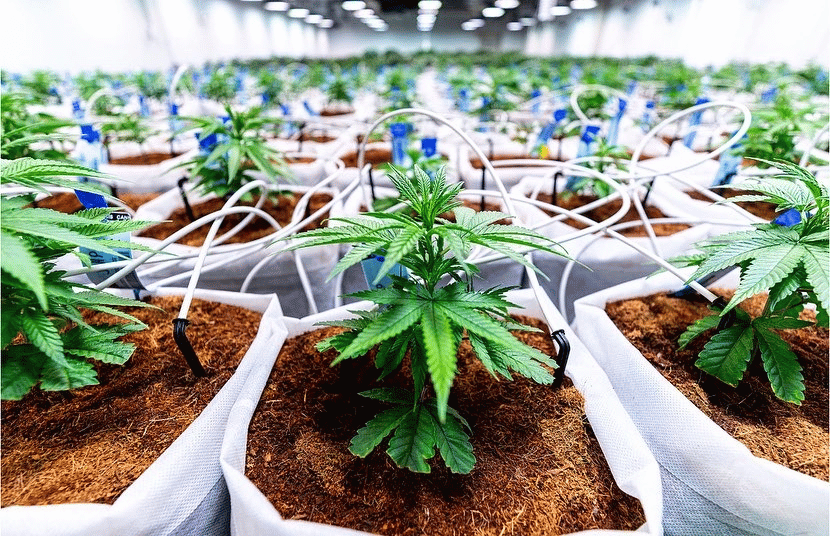
Photo Credit: Patrick Rogers.Team
Grey Birch Associates is on the CCC's pre-approved court appointee list. It was built by people who have run licensed Massachusetts cannabis businesses.
We did not study this industry. We built it, audited under it, raised for it, and sold in it.

Co-Founder & Managing Member. A Massachusetts pre-approved cannabis Receiver and a career operations executive. Jeremy ran portfolio operations for a two-state cannabis operator, oversaw the build-out and sale of a $20M production facility and two dispensaries to Green Thumb Industries, and has spent his career bringing structure and results to struggling businesses.
Jeremy Bromberg

Co-Founder & Managing Member. Carl built Trade Roots, a vertically integrated Massachusetts cannabis company, growing it from a business plan to a seven-figure operation with more than 40 employees across cultivation, extraction, manufacturing, wholesale, and retail, then helped lead its sale. Before cannabis, he spent 15 years trading in New York.
Carl Giannone

Chief of Staff & Member. Chrissy has led licensing, compliance, site development, and organizational transitions in Massachusetts cannabis since 2017, including the build-out of a $7M cultivation facility and a $20M production facility. She brings more than 20 years of operational leadership, including Director of Global Operations at IQVIA.
Chrissy Cicon
Here's how we work.
When GBA is appointed, this is what happens before the first status report is due: Commission contact confirmed. License status locked down. Cash controlled. Staff addressed in person. Reporting cadence set with court and creditors. GBA engagements follow a four-step process:
Step 1: Protect the License
CCC notified. Reports filed. The license stays active. That is the first job on day one, and it stays the first job until the sale closes.
Step 2: Stabilize Operations
Walk the floor. Hold the team. Control cash and inventory. We stop the bleeding before it becomes a hemorrhage.
Step 3: Maximize Recovery
Going-concern sale, asset sale, or structured wind-down, working with creditors, courts and the CCC.
Step 4: Execute and Report
Transparent, timely reporting to all stakeholders: courts, creditors, and the CCC.
Know where the value is, and how to save it, within 72 hours.
A confidential operational diagnostic of any distressed Massachusetts cannabis asset. Within 72 hours you hold one decision-ready document covering: license risk (is the collateral safe), staffing and vendor stability, compliance exposure, a clear SWOT (strengths, weaknesses, opportunities, and threats), and a recovery map with options ranked by creditor outcome.
We can promise speed because we have run cultivation, manufacturing, and retail in this state. We know what to look at because we have owned the problems.
We take on a limited number of receiverships at any one time. Operational attention does not scale, and we will not pretend otherwise.
What we will not promise: miracles. We promise expertise, transparency, and relentless execution.
Turnaround & Stabilization: Not Every Distressed Business Needs a Receiver
Sometimes what's needed isn't a court process. It's an experienced operator who can walk in, find the problem, and fix it before it becomes a receivership.
GBA's principals have built and stabilized cannabis businesses from the ground up. We start with a 72-hour operational diagnostic, then work alongside your team, not above it, on the things that actually move cash: inventory, pricing, cost controls, and vendor relationships. Creditors and boards stay informed the whole way.
Lenders and creditors
Your borrower's license can lapse, and most of the value goes with it. We keep it compliant while the case runs.
Attorneys
Your client needs a receiver the court can appoint quickly, from the CCC's pre-approved list. Bring us the facts.
Operators and boards
Not every distressed business needs a receiver. Sometimes it needs an operator who has stabilized one.
Buyers
Buying Massachusetts dispensary, cultivation or manufacturing assets? Tell us what you buy once, under NDA, and we'll bring you what fits.
Sellers
Thinking about selling a Massachusetts dispensary, cultivation or manufacturing business? We bring buyers who fit, quietly and under NDA.
Frequently Asked Questions
-
A cannabis receivership is a court-supervised process in which a neutral third party, the receiver, takes control of a distressed cannabis business to protect its value, keep the license compliant, and maximize recovery for creditors. It is the cannabis industry's main alternative to bankruptcy.
-
Because cannabis is still federally illegal, cannabis businesses generally cannot use the federal bankruptcy system. A state-court receivership is the primary path to an orderly turnaround, sale, or wind-down.
-
Pre-approval means the MA Cannabis Control Commission has already reviewed the receiver's suitability, credentials, financial disclosures and conflicts under 935 CMR 500.104(3). The court still decides who is appointed.
-
Protecting the license is the first priority. Grey Birch Associates notifies the CCC, files the required reports, and treats keeping the license active as the first job of the case, because a lapsed license takes most of the value with it.
-
A going-concern sale transfers the operating business as a working entity; an asset sale sells the assets individually. Grey Birch Associates pursues whichever path recovers the most value for creditors.
-
Lenders, creditors, courts, and attorneys who need a qualified receiver, as well as operators, boards, and investors facing distress before it becomes a receivership.
-
Grey Birch is led by former cannabis operators who have built and run licensed Massachusetts businesses. The firm operates the asset to protect license value, which is how creditors recover more.
-
Not every distressed business needs a receiver. Grey Birch can step in earlier as an experienced operator to diagnose problems and execute a turnaround before a court process becomes necessary.
The license won’t wait. Neither should you.
If you're dealing with a distressed cannabis business in Massachusetts, the window to protect asset value is shorter than you think. GBA moves fast, and we are ready to talk today.